İnşaattan sorumluyuz----- üretimden sorumluyuz----- eğitimden sorumluyuz

Manuel delme işlemleri, yavaş kurulum ve dengesiz panel kalitesi, yoğun çalışan bir fabrikanın kârını eritebilir. Her dolap, kabin veya HVAC panelinin tekrarlanabilir özelliklere sahip olması gerektiğinde, küçük hatalar hızla büyür. Bir turret zımba presi, üreticilere sac metal parçaları üretmek için daha hızlı, daha temiz ve daha kontrollü bir yöntem sunar.
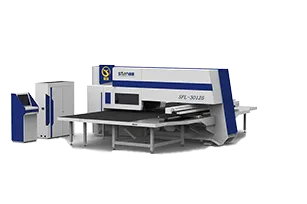
A taret zımba presi delik, panjur, kabartma form, çıkarma parçası ve tekrarlanan desenler oluşturmak için döner bir turret, zımba ve kalıp setleri ile programlanmış sac konumlandırma kullanan CNC kontrollü bir sac metal delme makinesidir. Sac metal imalatında hız, hassasiyet, esneklik ve maliyet kontrolünü artırmaya yardımcı olur.
1. Turret Zımba Presi Nedir?
2. Turret Zımba Makinesi Nasıl Çalışır?
3. Sac Metal İmalatı İçin Neden CNC Turret Zımba Presi Seçilmeli?
4. CNC Turret Punch Makinelerinin Tipik Uygulamaları Nelerdir?
5. Turret Punch Pres ile Lazer Kesim Karşılaştırması: Parçalarınız İçin Hangi Süreç Uygundur?
6. Bir Turret Punch Hangi Malzemeleri ve Kalınlıkları İşleyebilir?
7. Takım İstasyonları, Takım Değişimleri ve Delme Sırası Üretimi Nasıl Etkiler?
8. Mekanik, Hidrolik ve Servo Turret Punch Pres: Aralarındaki Fark Nedir?
9. Fabrika İçin Doğru Turret Punch Press Nasıl Seçilir?
10. CNC Turret Punch Press Çözümleri İçin STON ile Neden Çalışmalısınız?
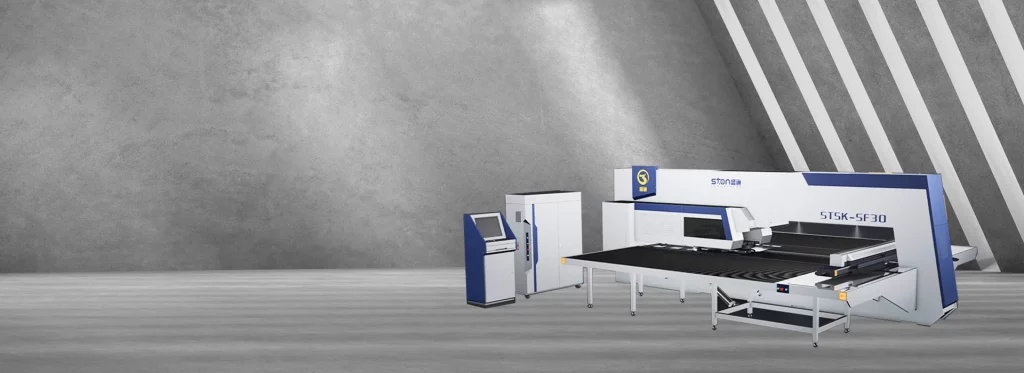
Turret punch press, bir zımbayı malzeme içinden kalıba bastırarak sac metal işlemek için kullanılan bir CNC zımba makinesidir. Kilit parça, birçok farklı takım tutan döner bir takım taşıyıcısı olan turettir. Program yuvarlak bir delik, yuva, panjur, kabartma formu veya özel şekil gerektirdiğinde, turet doğru takım konumuna dönebilir.
Basit bir ifadeyle, turret punch hızlı, tekrarlanabilir zımba işleri için üretilmiştir. Sadece delik açmaz. Ayrıca şekillendirilmiş özellikler, montaj delikleri, havalandırma açıklıkları, çukurcuklar, çıkartmalar ve basit şekiller oluşturabilir. Kabin üreticileri, muhafaza fabrikaları, metal mobilya tesisleri, HVAC kanal üreticileri ve beyaz eşya üreticileri için bu, makineyi son derece kullanışlı hale getirir.
Modern bir cnc turret punch press, bilgisayar sayısal kontrolü, sac konumlandırmayı ve zımba-kalıp sistemini bir araya getirir. CNC kontrolör sacı hareket ettirir, takımı seçer ve programdan gelen delme sırasını takip eder. Bu, fabrikaya manuel turret punch'lara göre daha iyi tekrarlanabilirlik sağlar ve manuel müdahaleyi azaltmaya yardımcı olur.
Temel süreç kolay müdahaledir.
Temel süreç anlaşılması kolaydır. Metal bir sac çalışma tablasına yerleştirilir. CNC sistemi sacı doğru konuma taşır. Turret daha sonra seçilen takımı delme kafasının altına getirmek için döner. Zımba aşağı iner, malzemeyi keser veya şekillendirir ve makine bir sonraki özelliğe geçer.
İşte yaygın iş akışı:
| Step | What Happens | Neden Önemli? |
|---|---|---|
| 1. CAD Design | Part geometry is prepared in CAD. | Controls hole patterns and feature locations. |
| 2. Programme Creation | The punching programme is generated. | Defines tool selection and punching sequence. |
| 3. Sheet Loading | The metal sheet is loaded and clamped. | Supports stable sheet positioning. |
| 4. Tool Selection | The turret rotates to the correct tool. | Reduces unnecessary tool changes. |
| 5. Punching | The punch and die create the feature. | Produces holes, forms, or shapes. |
| 6. Part Unloading | Finished parts move to the next process. | Improves workflow and automation potential. |
A turret punch can use different tools in one part programme. One tool may create round holes. Another may create slots. A third may emboss a logo or forming detail. This versatility is why turret punching machines remain important even when laser cutting is common.
For many factories, the real value is not just speed. It is control. A CNC turret punch can repeat the same feature again and again with stable results. That helps when you need the same cabinet panel, enclosure door, chassis, or ventilation panel across many orders.
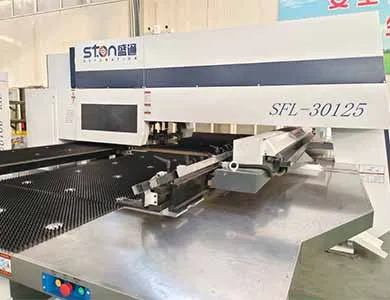
A turret punch press helps solve a common sheet metal fabrication problem: how to make many repeated holes and formed features without wasting time or increasing tooling costs. Instead of building a new hard die for every product, a turret punch uses standard and custom tools held in the turret.
For many sheet metal job shops, this means lower setup pressure and better flexibility. A cnc turret punch can switch between different hole sizes, slots, louvers, and forming tools through the programme. The machine can support low volume production, rapid prototyping, and mass production when the part design is suitable.
Key advantages include:
At STON, we see many buyers ask for one thing first: stable output. They do not only want a machine that can punch fast. They need accuracy over time, easy operation, available spare parts, and a practical configuration for their real product mix.
The typical applications of cnc turret equipment are found across industries that process cabinets, enclosures, panels, covers, doors, racks, and machinery parts. A turret punch press is useful when a part has repeated holes, mounting features, formed shapes, or ventilation designs.
| Sektör | Common Parts | Typical Punch Features |
|---|---|---|
| Elektrik Panoları | Doors, side panels, mounting plates | Montaj delikleri, yuvalar, bıçakla açılan delikler |
| Dosya Dolapları | Çekmece panelleri, dolap gövdeleri | Kilit delikleri, tutacak delikleri, şekillendirilmiş kenarlar |
| HVAC | Havalandırma panoları, kanal parçaları | Panjurlar, delikler, farklı delik desenleri |
| Telekomünikasyon ve Güç | Sunucu rafları, güç kasaları | Kablo delikleri, soğutma delikleri, konnektör açıklıkları |
| Metal Furniture | Shelves, storage panels, frames | Slots, hinge holes, fixing points |
| Mutfak Eşyaları | Stainless steel panels, covers | Holes, forms, decorative features |
| Automotive | Brackets, covers, light panels | Repeated holes, slots, formed details |
A turret punch is also used in industries that need both function and appearance. A ventilation panel needs clean air openings. A power enclosure needs accurate cable cutouts. A metal door needs lock holes and hinge positions. In each case, the punch quality affects the next process.
STON supplies CNC sheet metal automation and fabrication equipment for these production needs. We support job shops, cabinet manufacturers, door and frame factories, HVAC plants, EV charging enclosure makers, and system integrators with machine selection and process planning.
A turret punch press and a laser cutter are both valuable, but they do different jobs best. Laser cutting is strong for complex outer profiles and fine contours. A turret punch is strong for repeated holes, louvers, emboss forms, knockouts, and features that need a forming action instead of only cutting.
| İşlem | En İyi Kullanım Alanı | Main Value |
|---|---|---|
| Turret Punch | Repeated holes, forms, louvers, and embossed features | Fast feature processing and a low cost per repeated pattern |
| Laser | Complex profiles, irregular shapes, and fine contours | Flexible cutting without punch tooling |
| Punch-Laser Combination | Parts requiring both hole punching and profile cutting | Fewer process transfers and more complete processing |
A laser can cut a round hole, but it cannot easily make a formed louver or raised emboss. A turret punch press can stamp, form, and punch in one programmed workflow when the correct tool is installed. That is why many sheet metal fabrication plants use both processes.
For example, a cabinet panel may need outer profile cutting, many mounting holes, a louver area, and an emboss mark. In this case, a cnc turret punch or punch-laser combined line may be more efficient than using only one process. The right answer depends on material thickness, part geometry, production volume, and required edge quality.
A turret punch press is commonly used for cold-rolled steel, galvanized steel, stainless steel, aluminum, and pre-painted metal sheet. The correct choice depends on tonnage, tool type, material strength, and material thickness. The same machine may perform very differently on thin aluminum compared with thicker stainless steel.
Common material examples include:
| Material | Typical Use |
|---|---|
| Cold-Rolled Steel | Cabinets, racks, and machinery covers |
| Galvanized Steel | HVAC components, electrical panels, and outdoor enclosures |
| Stainless Steel | Kitchenware, cleanroom products, and laboratory equipment |
| Alüminyum | Lightweight panels and appliance parts |
| Pre-Painted Sheet | Furniture, decorative panels, and finished covers |
Material thickness affects punch force, hole quality, tool life, and the allowed hole size. A small hole in thick material may need special review. A large louver may require a different tool and more careful programme design. This is why tool selection should never be treated as an afterthought.
A good supplier will ask about your workpiece, material, annual volume, feature types, and downstream process. At STON, we use this information to help buyers choose between mechanical, hydraulic, and servo solutions, and to decide whether automatic sheet loading or a full automation line makes sense.
The turret is the heart of the machine. It carries the tools, and each station holds a punch set. More tool stations give the factory more flexibility, especially when the part family uses many hole types, forms, and special features. But more tools do not automatically mean better output. Planning matters.
A smart punching sequence can reduce sheet movement, avoid distortion, and shorten cycle time. The programme should place features in a logical order. It should also reduce unnecessary tool changes. When a CNC turret punch press uses a well-planned programme, the machine can process repeated features with less waiting and better consistency.
Important planning points include:
The tool turret makes a turret punch flexible, but the operator and programmer still play a key role. Good CAD data, correct programme setup, and steady maintenance help protect productivity.
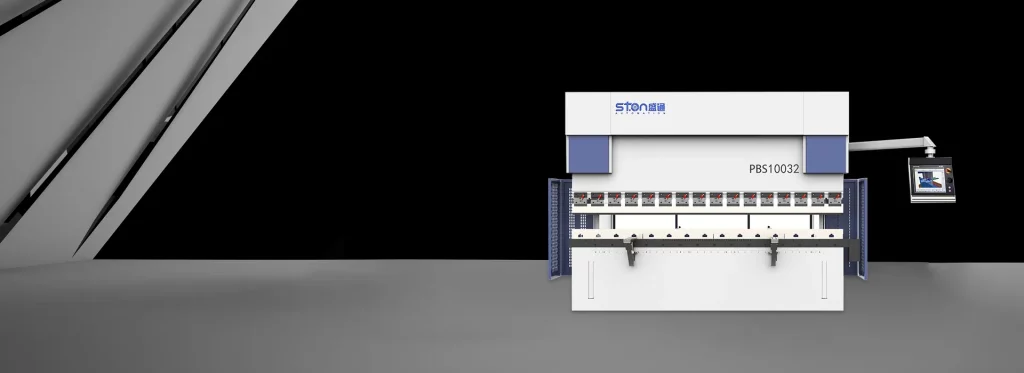
Turret punching machines can use different actuation systems. A mechanical turret punch is often valued for stable structure and economical operation. A hydraulic type can provide strong and controlled punching force. A servo system, including servo drive or servo-electric punch design, can improve energy control, speed response, and punching accuracy depending on configuration.
| Type | General Strength | Buyer Fit |
|---|---|---|
| Mechanical Turret Punch | Economical and proven for standard punching | Standard hole processing and cost-sensitive production |
| Hydraulic Turret Punch | Controlled force for varied punching features | Factories requiring stable punching force |
| Servo Turret Punch | Efficient control and flexible operation | High-mix production and energy-conscious factories |
Modern turret punch presses often include programmable settings, CNC-controlled movement, better sheet positioning, and safety systems. The best choice depends on your parts, not only on the machine name.
A door factory may need different tools for lock holes, hinge areas, and reinforcing plates. A telecom enclosure maker may need repeated patterns, cable holes, and cooling features. A metal furniture plant may need many slots and fixing holes. Each buyer needs a different configuration.
Choosing a taret zımba presi starts with your real production list. Do not begin with only price. Begin with the parts. What sizes do you process? What materials do you use? How many hole types appear on one panel? Do you need forming, embossing, or louver features? Do you need loading automation now or later?
Here is a practical selection checklist:
| Question | Neden Önemli? |
|---|---|
| What sheet size do you process? | Defines the required machine table and travel range |
| What material thickness do you use? | Affects machine tonnage and tool selection |
| How many tools are needed? | Defines turret capacity and station planning |
| What is your production volume? | Affects processing speed, automation requirements, and ROI |
| Do you need forming features? | Affects tool design and required punching force |
| Do you need system integration? | Affects loading, unloading, sorting, and production-line layout |
| What local power and safety rules apply? | Affects electrical and compliance configuration |
A reliable supplier should help you customize the solution. This may include tooling, power and climate packages, local code needs, spare parts, training, and commissioning support. These details influence uptime and total cost of ownership.
When buyers compare STON with global brands or amada-style machine concepts, we suggest they look beyond the brand label. Review the structure, turret capacity, CNC technology, service response, spare parts plan, training quality, and long-term support.
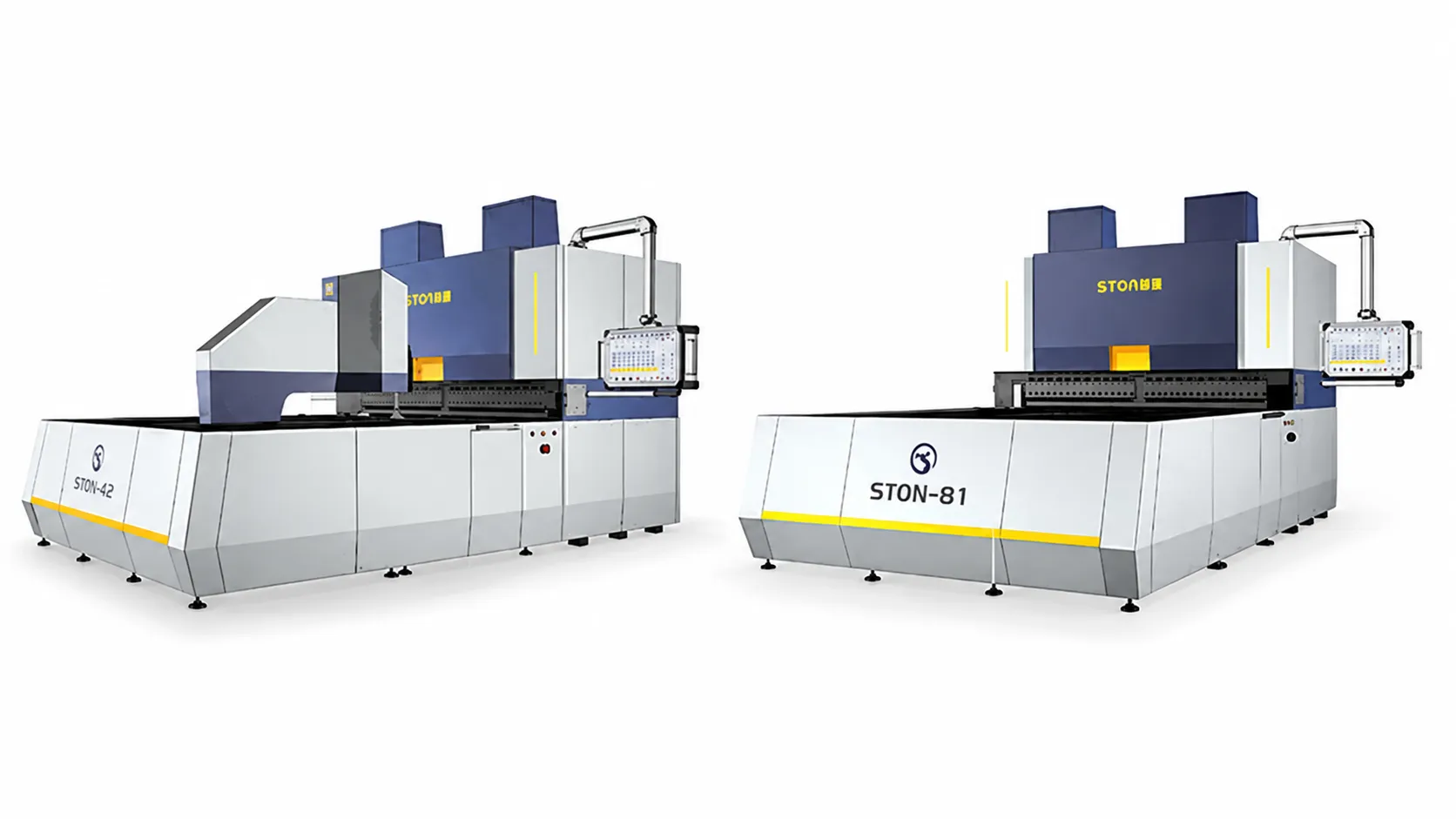
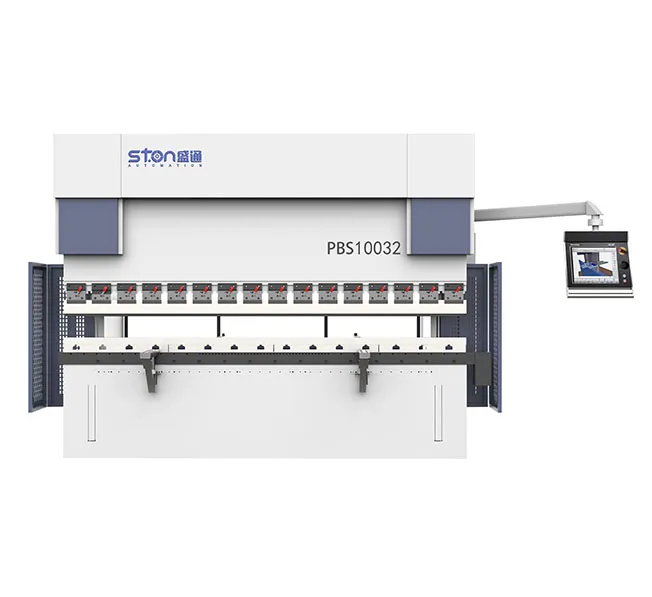
STON is a Sheet-Metal Automation & CNC Fabrication Equipment Manufacturer. We provide factory-direct OEM/ODM Çözümler for industrial buyers who need more than a machine. They need a working production system. Our product range covers turret punch press, CNC panel bender, press brake, laser cutting unit, flanging machine, automatic loading and unloading system, and full sheet metal automation lines.
Bir CNC turret punching machine project, we help buyers review the part drawings, hole features, material data, production targets, tooling needs, and workshop layout. Then we recommend the machine configuration, tool plan, automation option, and service plan. This approach helps reduce risk before purchase.
Our target customers include sheet-metal job shops, electrical and filing cabinet manufacturers, door and frame factories, HVAC ducting producers, appliance and kitchenware plants, telecom and power enclosure makers, laboratory and education equipment manufacturers, EV charging enclosure makers, metal furniture and racking plants, system integrators, distributors, importers, and industrial automation partners.
Consider a factory producing electrical cabinets and power enclosures. Each panel may need hinge holes, lock holes, cable openings, ventilation patterns, and mounting holes. If operators measure and process these features manually, quality changes from batch to batch. It gets tiring. It also gets expensive.
With a turret punch press, the factory can programme the hole layout once and repeat it across batches. The turret selects the right tool, the sheet moves to each position, and the punch creates consistent features. After punching, panels move to bending, assembly, coating, or final inspection.
This type of workflow helps the factory improve:
For STON customers, the goal is clear: stable panels, shorter process routes, easier operation, and reliable support after installation.
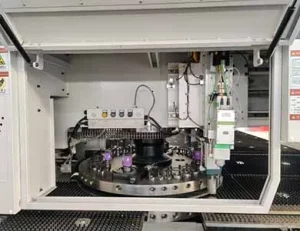
A turret punch works hard. It moves sheets, rotates tools, and repeats high speed punching many times per shift. Simple maintenance protects the machine and keeps quality stable. Operators should check tool wear, die clearance, clamp condition, lubrication, air supply, and sheet support surfaces.
Good maintenance also protects the workpiece. Worn tools can create burrs. Poor alignment can damage holes. Dirty surfaces can scratch pre-painted material. A small issue can grow into downtime if no one checks it early.
Basic maintenance habits include:
STON supports customers with operation training, maintenance guidance, spare parts, and after-sales service. For global buyers, this matters. A good machine should not become a problem after delivery.
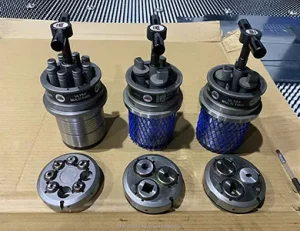
A taret zımba presi is a strong choice when your factory needs fast, repeatable, and flexible sheet metal punching. It is especially useful for cabinets, enclosures, chassis, ventilation panels, metal doors, racks, and other products with repeated holes or formed features.
The best results come from matching the machine to your parts. Sheet size, material thickness, tooling, station layout, speed, automation, and service support all matter. The lowest price is not always the lowest cost. Uptime, training, spare parts, and long-term stability matter more.
If your factory wants to improve punching quality, reduce manual work, and build a more reliable sheet metal fabrication process, STON can help you review your drawings and production needs.
STON ile iletişime geçin to discuss your turret punch project and get a factory-direct CNC sheet metal punching solution for your production line.
İster mevcut bir hattı geliştiriyor ister yeni bir projeye başlıyor olun, STON üretiminiz için bir CNC çözümünü özelleştirecektir.